Understanding Clumping Agents in Cat Litter
Types of Clumping Agents
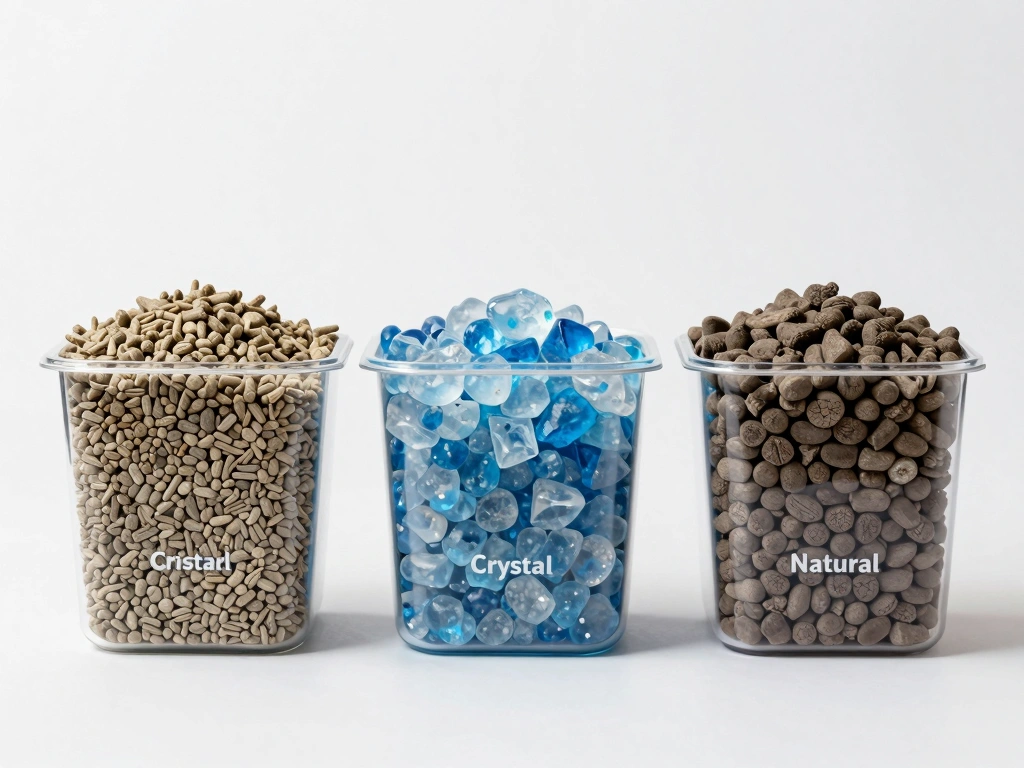
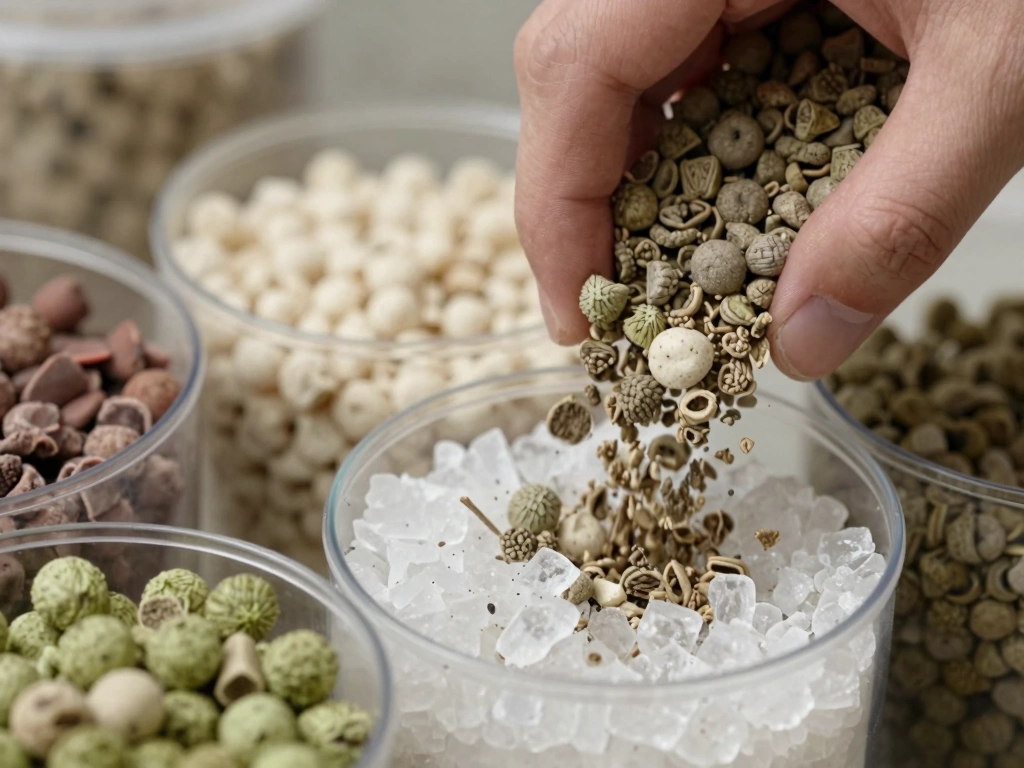
Clumping agents are essential components in many cat litters, allowing for easy removal of waste while maintaining the overall cleanliness of the litter box. The most common types of clumping agents include sodium bentonite clay, which is prevalent in traditional clay litters, and other natural alternatives made from materials like corn or wheat.
Sodium bentonite, a natural clay that expands when wet, forms solid clumps upon contact with moisture. In contrast, natural alternatives often utilize starches or other plant-based materials that also promote clumping but may vary in effectiveness.
Chemical Composition of Clumping Agents
The chemical structure of sodium bentonite consists mainly of montmorillonite, which is a layered silicate mineral. This mineral's unique properties allow it to absorb moisture and form clumps, making it a popular choice for cat litter.
On the other hand, clumping agents derived from natural materials, such as corn or wheat, contain amylose and amylopectin, which are polysaccharides. These compounds can absorb moisture and expand, thus forming clumps, although they may not be as efficient or effective as sodium bentonite in some cases.
Impact on Odor Control and Absorption
The effectiveness of clumping agents directly influences odor control and moisture absorption. Sodium bentonite excels in both aspects, forming tight clumps that minimize the spread of odors and allow for effective moisture retention. For example, brands like Tidy Cats and Arm & Hammer utilize this clay's properties to enhance performance.
In contrast, natural clumping agents may have variable performance. While they can control odors to a certain extent, their moisture retention capabilities may not match those of traditional clay litters. Many users have reported that natural litters, such as those made from corn, may need to be changed more frequently to manage odors effectively.
Comparing Absorbent Materials Across Brands
Clay vs. Non-Clay Absorbents
When examining cat litter, one of the most significant distinctions is between clay-based and non-clay absorbents. Clay litters, primarily made from sodium bentonite, are known for their exceptional absorbency and clumping ability. Non-clay options include materials like recycled paper, wood pellets, and plant-based fibers.
For instance, brands like World's Best Cat Litter use whole-kernel corn to provide a natural, clumping litter alternative. While it offers decent absorbency, it may not match clay's overall performance in terms of clumping and odor control.
Chemical Properties of Different Absorbent Materials
The chemical properties of absorbent materials are crucial in determining their effectiveness. Sodium bentonite's unique structure allows it to absorb moisture rapidly and retain it within the clumps, leading to enhanced odor control and ease of cleaning. In contrast, non-clay materials often rely on their fibrous structure to absorb moisture, which may result in slower absorption rates and less effective clumping.
For example, paper-based litters such as Yesterday's News absorb moisture but may break down more quickly than clay, leading to potential odor issues if not changed regularly.
Effectiveness in Moisture Retention
Moisture retention is a vital factor in the effectiveness of cat litter. Sodium bentonite can absorb up to 15 times its weight in moisture, making it highly efficient for cat owners. In contrast, non-clay alternatives like wood pellets may only absorb a fraction of that amount, which can lead to wetness in the litter box and unpleasant odors if not managed properly.
For instance, Feline Pine, a popular wood pellet litter, absorbs moisture and breaks down into sawdust. While this process can be effective, the moisture retention capacity is generally lower than that of clay-based litters.
Fragrance Chemicals in Cat Litters
Common Fragrances Used in Cat Litters
Many cat litters incorporate fragrance chemicals to mask odors and provide a pleasant scent. Common fragrances include floral, citrus, and herbal scents, often derived from synthetic or natural sources. Brands like Arm & Hammer utilize baking soda and various fragrances in their formulations to enhance odor control.
Some natural litters, such as those made from corn or wheat, may include essential oils or plant extracts to provide a more subtle scent, catering to pet owners who prefer less synthetic fragrance.
Potential Allergens and Sensitivities
While fragrances can help control odors, they may also pose risks for both pets and humans. Certain synthetic fragrances can trigger allergies or sensitivities in some cats, leading to respiratory issues or skin irritations. A study published in the Journal of Feline Medicine and Surgery found that some cats exhibit negative reactions to strong fragrances, which could influence their litter box habits.
Pet owners should be cautious when selecting scented litters, especially for cats with known sensitivities. Unscented options are often available for brands like Dr. Elsey's and PetSafe, which can provide a safer alternative for sensitive cats.
Impact on Cats' Behavior and Health
The choice of fragrance in cat litter can significantly affect a cat's behavior and overall health. Cats are known to have a highly sensitive sense of smell, and overpowering fragrances may deter them from using the litter box. This aversion can lead to inappropriate elimination behaviors and stress for both the cat and the owner.
For instance, some pet owners have reported that switching to a natural, unscented litter improved their cat's litter box habits, highlighting the importance of considering fragrance in litter selection.
Biodegradable vs. Traditional Cat Litters
Chemical Differences Between Biodegradable Options
Biodegradable cat litters are formulated from natural materials such as corn, wheat, or recycled paper. The primary chemical difference lies in their composition; biodegradable litters often contain starches and cellulose, which break down more easily in the environment compared to the mineral-based composition of traditional clay litters.
For example, brands like Ökocat and Naturally Fresh use wood and plant-based materials, providing a more eco-friendly alternative with less impact on landfill waste.
Environmental Impact of Chemical Components
The environmental impact of cat litter is a growing concern among pet owners. Traditional clay litters, particularly those made from sodium bentonite, often involve strip mining, which can lead to habitat destruction and soil erosion. In contrast, biodegradable litters are generally more sustainable, using renewable resources and resulting in lower carbon footprints.
For instance, brands like Petree utilize recycled paper products, which can significantly reduce waste and contribute to a more sustainable approach to pet care.
Decomposition Processes and Their Effects
The decomposition process of biodegradable litters varies based on the materials used. Many plant-based litters decompose within a few months when composted, returning nutrients to the soil. However, traditional clay litters can take years to break down, contributing to long-term waste issues.
For example, when disposed of in a landfill, clay litter can produce methane, a potent greenhouse gas. In contrast, biodegradable options like those from World’s Best Cat Litter can be composted, providing a more environmentally friendly disposal method.
Mineral Additives and Their Functions
Types of Mineral Additives Used in Cat Litters
Mineral additives play a vital role in enhancing the performance of cat litters. Common additives include zeolite, activated charcoal, and calcium carbonate. Zeolite is known for its ability to absorb odors and moisture, while activated charcoal can further enhance odor control by trapping volatile compounds.
Brands such as Tidy Cats often incorporate these additives to improve the litter's overall performance, leading to a more pleasant litter box experience for both cats and their owners.
Chemical Reactions of Additives with Urine
When cat urine comes into contact with mineral additives, various chemical reactions can occur. For instance, zeolite's porous structure allows it to capture ammonia, a primary odor-causing compound in urine. Similarly, activated charcoal can adsorb a range of odors, further mitigating unpleasant smells.
In contrast, some non-clay litters may not contain these additives, leading to less effective odor control and moisture retention, which may ultimately affect a cat's litter box habits.
Benefits and Drawbacks of Mineral Additives
While mineral additives can significantly enhance the performance of cat litters, there are potential drawbacks. Some cats may be sensitive to certain minerals, and exposure could lead to health concerns. Additionally, the cost of premium litters with these additives may be higher than traditional options, which could deter some pet owners.
However, the benefits often outweigh the drawbacks, as effective odor control and moisture retention can lead to a more satisfying environment for both pets and their owners. Brands like Arm & Hammer and Tidy Cats have successfully integrated these additives into their products, providing high-quality options for discerning pet owners.